
News
致力于为各行业提供:环形锻件、轴锻件、模锻件等自由锻造和模锻锻造件。Industrial equipment relies on the reliability of flange connections, and flange ring forgings are the critical sealing components that directly impact system safety and efficiency. Choosing the right flange ring forging is essential to ensure proper sealing performance, load-bearing capacity, and service life. With a wide range of options available, how to make an accurate selection becomes a key challenge for engineers and buyers. This article systematically analyzes the key factors in selecting flange ring forgings to help you make informed decisions.
Before selecting a flange ring forging, it is crucial to clarify its core parameters, which form the foundation for matching equipment requirements. Key parameters include nominal diameter (NPS), pressure rating (e.g., ANSI 150, 300), material grade (e.g., A105, F51), and sealing surface type (e.g., flat, raised face). The nominal diameter determines the size of the flange ring, while the pressure rating directly relates to its load-bearing capacity. For example, in high-pressure oil pipeline systems, a flange ring forging compliant with ANSI 300 grade and made of alloy steel is required to maintain sealing performance under high pressure. Jining's flange ring forging products cover various nominal diameters and pressure ratings, meeting the needs of different industrial scenarios.
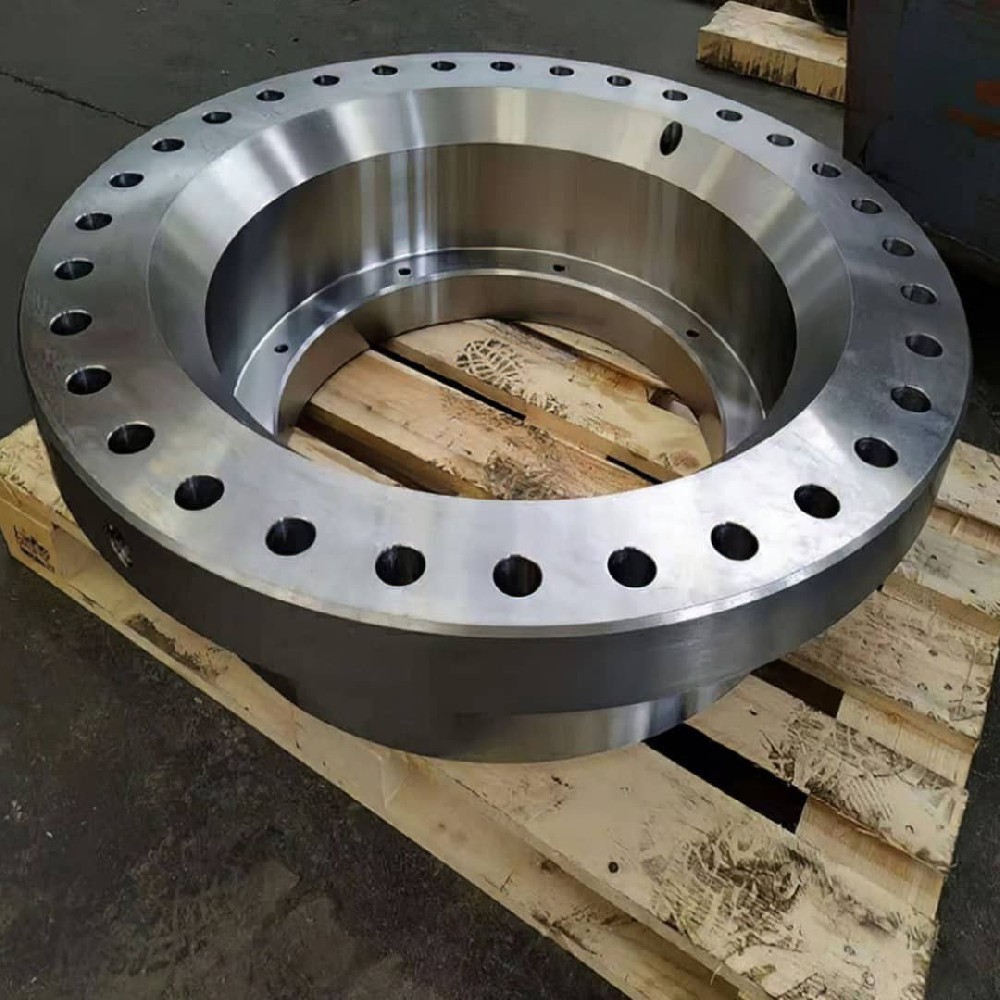
The material of a flange ring forging is a key factor determining its performance, requiring a comprehensive consideration of working environment, pressure, and temperature. Carbon steel flange ring forgings (e.g., A105) are suitable for general pressure and temperature conditions, with lower costs but poor corrosion resistance. Alloy steel flange ring forgings (e.g., F51, F9) are used in high-temperature and high-pressure environments, offering higher strength and heat resistance. Stainless steel flange ring forgings (e.g., 304, 316) are ideal for corrosive media environments, such as in the chemical and pharmaceutical industries, with significantly better corrosion resistance than carbon steel and alloy steel. Jining provides flange ring forgings in various materials, allowing customers to choose based on specific conditions to achieve the best balance of strength and corrosion resistance.
The dimensions and tolerances of a flange ring forging directly affect its mating accuracy with flanges, which is crucial for preventing leaks. Key dimensions include inner diameter (ID), outer diameter (OD), and thickness, along with the precision of the sealing surface. For instance, the inner diameter must match the pipeline's inner diameter exactly to ensure proper sealing surface contact; the outer diameter must align with the flange's bolt hole position for correct installation. Jining's flange ring forgings use precision machining processes with strict tolerance control, such as ±0.1mm for inner diameter and ±0.2mm for outer diameter, ensuring perfect mating with various flanges and reducing installation errors to enhance sealing reliability.
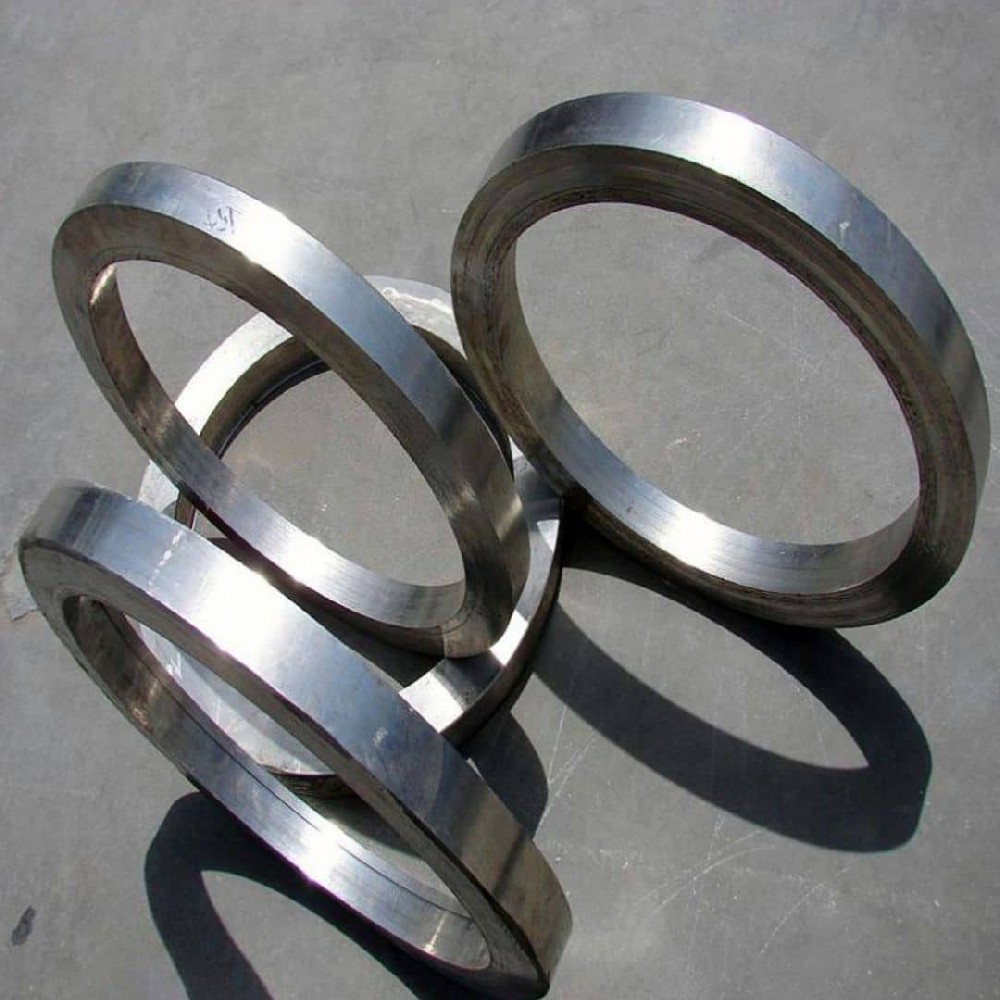
The manufacturing process of a flange ring forging determines its internal microstructure, which in turn affects its mechanical properties and service life. Open-die forging has lower costs but results in coarse grains and uneven microstructure, with lower fatigue strength. Die forging, formed by molds, produces fine grains and uniform microstructure, with better mechanical properties. Heat treatment processes (e.g., normalizing, tempering) eliminate internal stresses and enhance hardness and toughness. Jining's flange ring forgings primarily use die forging processes, supplemented by rigorous heat treatment, ensuring uniform internal structure and fine grains, with excellent fatigue strength and durability. For example, heat-treated alloy steel flange ring forgings can increase fatigue life by over 30%, suitable for equipment with frequent start-stop operations.
Different industrial sectors have varying requirements for flange ring forgings, requiring selection based on specific application scenarios. The petrochemical industry needs flange ring forgings with high temperature resistance, corrosion resistance, and high strength to handle complex conditions. The power industry requires flange ring forgings to maintain stable sealing performance at high temperatures to avoid leaks caused by temperature changes. The shipbuilding industry needs flange ring forgings with seawater corrosion resistance to adapt to marine environments. Jining provides customized flange ring forging solutions based on industry needs, such as corrosion-resistant stainless steel flange ring forgings for the petrochemical industry and high-temperature alloy flange ring forgings for the power industry, ensuring equipment safety in specific environments.
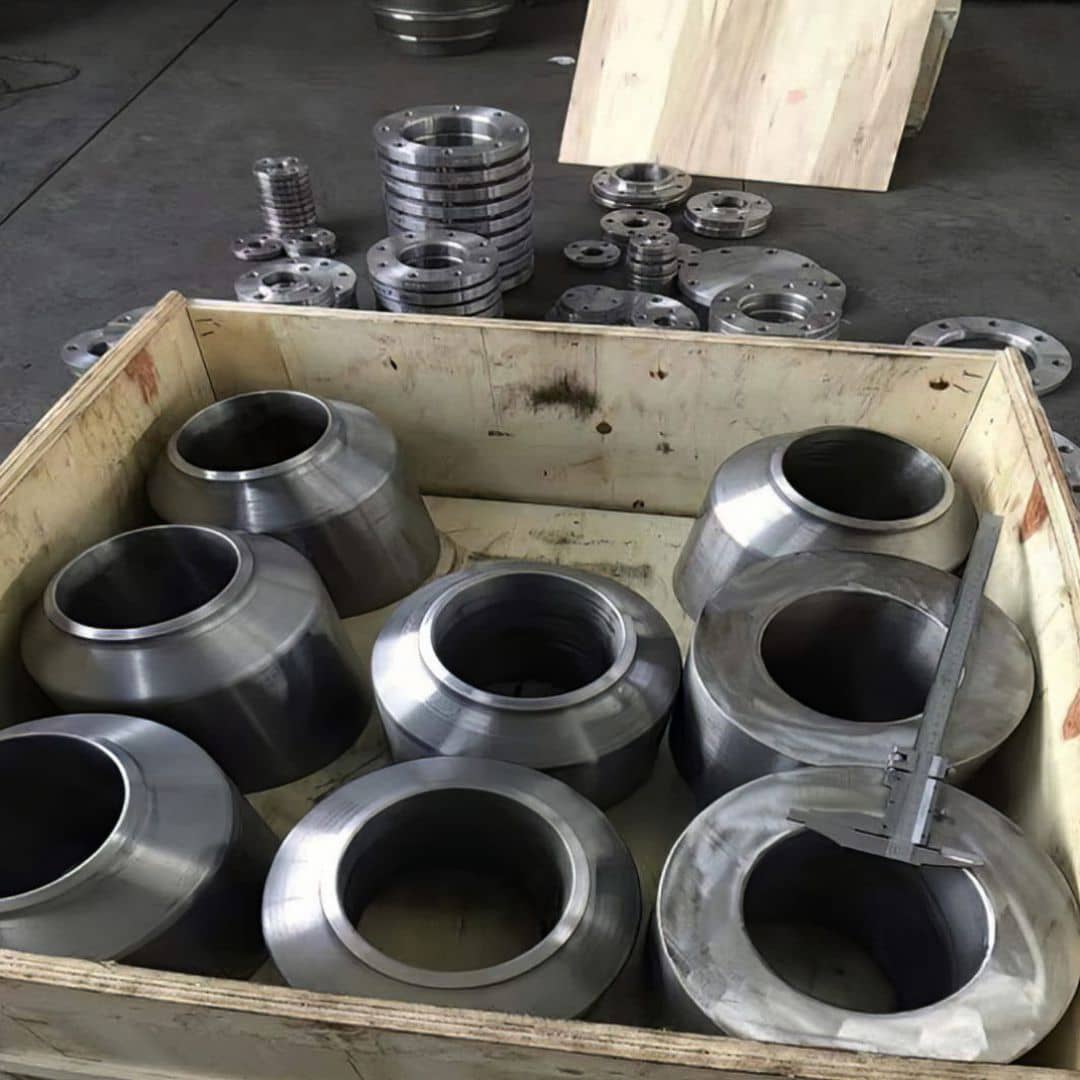
If you are struggling with the selection of flange ring forgings or need customized solutions, Jining's professional team offers one-on-one technical consultation to help you find the most suitable flange ring forging, ensuring equipment safety and operation. Contact us now to get professional quotes and solutions, making your industrial equipment run more reliably and efficiently.

 Shanxi Jianing Forging Co., Ltd
 176 9623 6479(Manager Xue)
  176 9623 6479
  Cuijiazhuang Industrial Park, Dingxiang County, Xinzhou City, Shanxi Province
 telephone
top